Health guide
Weight Management Guide: What Works First, Prescription Options and Supplement Red Flags
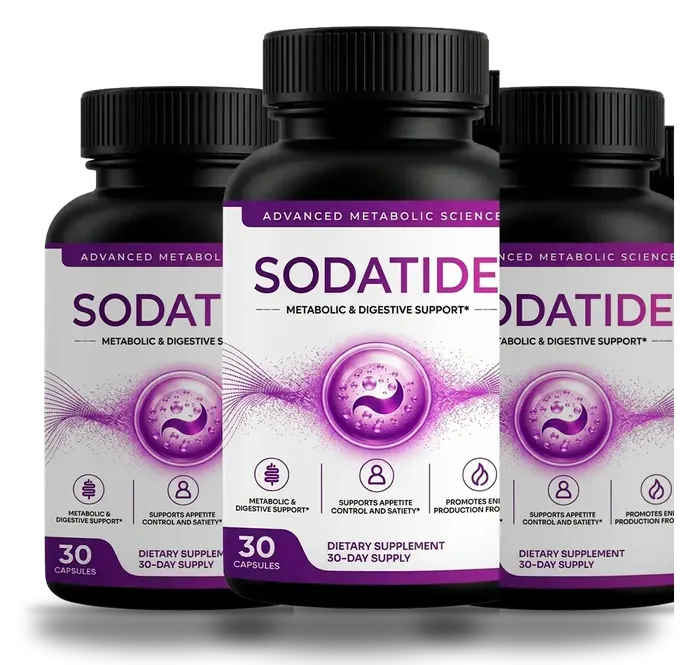
Lasting weight management rests on eating patterns, regular activity and enough sleep, ideally with support from a clinician. Prescription medicines exist for people who qualify, and they need a prescriber. The NIH says little is known about whether weight-loss supplements work. Sodatide is a supplement, not a GLP-1 medicine, and not a weight-loss treatment.
Written by the Sodatide editorial teamUpdated
Start here
What actually works for weight management?
What works best is a set of habits you can keep: eating patterns built on whole foods, regular movement and enough sleep. The NIH Office of Dietary Supplements calls lifestyle changes the basis of long-term weight loss (NIH ODS Weight-loss supplements (HP)).
Weight is not a measure of effort or worth. Genes, age, hormones, medicines, sleep, stress, income and where you live all play a part. More than 70% of U.S. adults are living with overweight or obesity, the Dietary Guidelines report (Dietary Guidelines 2025-2030). You are far from alone.
Small, steady changes tend to last longer than strict plans. Losing even a modest share of body weight can improve blood pressure, blood sugar and joint comfort for many people. A clinician can help you pick goals that fit your health, not a number from an ad.
Food
Which eating changes help weight management most?
The changes that help most add filling foods rather than ban favorite ones. Fiber, protein and water-rich foods help meals feel more satisfying for fewer calories.
Build on fiber
Beans, lentils, oats, vegetables and fruit. Adults need about 21 to 38 grams of fiber a day (MedlinePlus dietary fiber), and whole foods beat fiber supplements, Mayo Clinic says (Mayo Clinic fiber).
Include protein
Eggs, fish, poultry, yogurt, tofu or beans at each meal. Protein tends to keep hunger away longer than refined starch alone.
Rethink drinks
Soda, sweet coffee drinks and juice add calories without much fullness. Water, sparkling water and plain tea are easy swaps.
No single diet wins for everyone. Mediterranean-style, lower-carb and plant-forward plans can all work if you can stick with them. A registered dietitian can tailor a plan to your tastes, budget and health conditions.
Activity and sleep
How much do activity and sleep matter for weight?
Both matter more than most people expect. Activity helps keep weight off and protects muscle, heart and mood. Short sleep tends to raise hunger and cravings the next day.
| Habit | A realistic target | An easy first step |
|---|---|---|
| Moderate activity | About 150 minutes a week, such as brisk walking | A 10-minute walk after one meal a day |
| Strength work | Two days a week | Sit-to-stand from a chair, 2 sets of 10 |
| Sleep | 7 or more hours a night for most adults | A fixed wake-up time, even on weekends |
| Fiber | 21 to 38 grams a day | Half a cup of beans added to lunch |
| Tracking | Weekly, not daily | Same scale, same day, same time |
If you have joint pain, heart disease or another condition, ask a clinician which activity is safe to start with. Water walking and chair exercises count.
Medical options
Are there prescription options for weight management?
Yes. The FDA has approved several prescription medicines for weight management, and each one needs a clinician to prescribe and monitor it. NIDDK lists GLP-1 medicines such as semaglutide and liraglutide, the dual GIP and GLP-1 medicine tirzepatide, and older options such as orlistat (NIDDK prescription obesity medicines).
These medicines are meant for adults who meet certain criteria, usually a body mass index above a set level, sometimes with a weight-related condition. They work alongside eating and activity changes, not in place of them. Side effects and costs vary, so the choice belongs in a conversation with your doctor.
The FDA warns about unapproved, compounded, counterfeit and "research use only" semaglutide and tirzepatide sold online, and has received hundreds of adverse event reports (FDA unapproved GLP-1 concerns). A website that skips the prescription is a red flag.
Bariatric surgery is another option for some people. A doctor can explain who qualifies and what recovery involves.
About the name
Is Sodatide a GLP-1 medicine or an alternative to one?
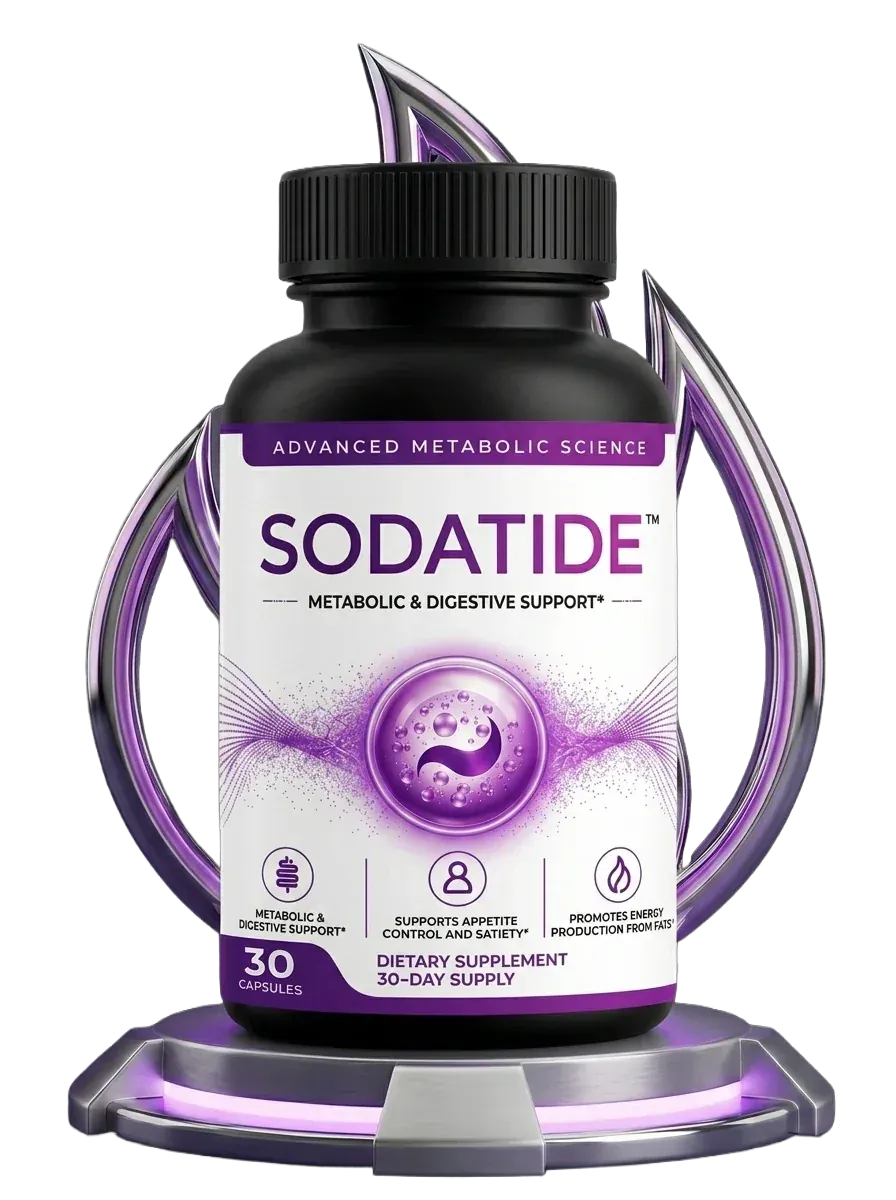
No. Sodatide is a dietary supplement with two fibers and a probiotic blend. It contains no drug, is not a GLP-1 medicine and is not an alternative to one (NIDDK prescription obesity medicines).
The name ends in "-tide", like semaglutide and tirzepatide. That sound-alike is the brand's choice of name, nothing more. If you take a prescription weight medicine, tell your prescriber about every supplement you use, and do not combine weight products unless your clinician says to (NIDDK prescription obesity medicines).
The article on why Sodatide is not a GLP-1 goes through the label line by line.
Spot false claims
Which weight-loss claims are almost always false?
The FTC's Gut Check guide lists seven weight-loss claims that are almost always false (FTC Gut Check weight-loss claims). If an ad makes one of them, walk away.
Two pounds a week without diet or exercise
Losing 2 or more pounds a week for a month or more with no change in eating or activity.
Lose weight no matter what you eat
Substantial loss while eating anything you like.
Weight stays off for good
Permanent loss even after you stop the product.
Blocks fat or calories
Substantial loss by blocking the absorption of fat or calories.
More than 3 pounds a week, safely
Safe loss of over 3 pounds a week for more than 4 weeks.
Works for everyone
Substantial loss for all users.
Wear it or rub it on
Loss from a patch, cream, wrap or something worn on the body.
The FDA adds its own tip-offs: one product that does it all, personal testimonials, quick fixes like "lose 30 pounds in 30 days", and promises that results are certain (FDA 6 tip-offs health fraud). Fake celebrity endorsements are another warning sign.
Before and after
Can I trust before-and-after photos in supplement ads?
Treat them with caution. A photo cannot show what someone ate, whether they took a prescription, or whether the person ever used the product. The FTC says endorsers' results must be typical, or the ad must say clearly that they are not (FTC Health Products Compliance Guidance).
The Sodatide sales page shows smiling people holding bottles. We could not verify who they are or what, if anything, changed for them. They are not reviews, and this site does not publish any reviews until they can be verified.
- Ask what else changed: diet, activity, medicines
- Look for a time frame and an average, not one story
- Check whether the person was paid or given product
The reviews page explains how we handle customer feedback.

Where a supplement fits
Where does a supplement like Sodatide fit in a weight plan?
At the edges, if at all. "Little is known about whether weight loss supplements are effective," the NIH Office of Dietary Supplements says (NIH ODS Weight-loss supplements (HP)). Across 15 trials, probiotics changed body weight by about 0.6 kg on average, an effect the NIH calls of questionable clinical significance (NIH ODS Probiotics (HP)).
Sodatide's label claims "Supports appetite control and satiety". That is the brand's claim, not a tested result, and no trial of Sodatide has been published. Its fibers were studied at grams a day; one capsule holds 211 mg of inulin and 100 mg of resistant starch. The ingredients page compares each amount with the research.
If you try it, treat it as one small part of your routine. Keep the food, activity and sleep habits as the main plan. Judge it inside the 60-day refund window, and read the results timeline for realistic expectations.
You take diabetes medicine, a prescription weight medicine or several prescriptions, or you are pregnant, nursing, under 18 or living with a medical condition. Weight loss you did not plan for also needs a checkup.
A first month
What does a realistic first month look like?
Week 1: notice
Write down meals, sleep and steps for seven days. No changes yet, just facts.
Weeks 2 and 3: add
Add one fiber food a day and one 10-minute walk. Keep a fixed wake-up time.
Week 4: review
Check weekly weight and waist, energy and hunger. Book a clinician visit to plan the next step.
FAQ
Weight management questions
What is the most effective way to manage weight?
The most effective approach combines eating changes, regular activity and enough sleep, kept up over months, ideally with help from a clinician. The NIH calls lifestyle change the basis of long-term weight loss. Prescription medicines can help people who qualify, alongside those habits.
Do weight-loss supplements work?
Little is known about whether weight-loss supplements work, according to the NIH Office of Dietary Supplements. Probiotic trials found an average change of about 0.6 kg, which the NIH calls of questionable clinical significance. No supplement replaces food, activity and sleep habits.
Can Sodatide be used instead of a GLP-1 prescription?
No. Sodatide is a dietary supplement with no drug in it. It is not a GLP-1 medicine and not an alternative to one. If you take or are thinking about a prescription weight medicine, talk to your prescriber and mention every supplement you use.
How fast is it safe to lose weight?
Steady loss over months is safer and lasts longer than rapid loss. The FTC says claims of losing more than 3 pounds a week for over 4 weeks safely are almost always false. A clinician can set a pace that fits your health.
How can I tell if a weight-loss ad is a scam?
Watch for promises of loss without diet or exercise, results for everyone, permanent loss after stopping, quick fixes like 30 pounds in 30 days, and celebrity endorsements you cannot verify. The FTC and FDA list these as the most common false claims.
When should I see a doctor about my weight?
See a doctor if you want help setting goals, if weight affects your blood pressure, blood sugar, joints or sleep, or if you are thinking about medicine. Weight loss you did not plan for always needs a checkup.
Who wrote this
Written and reviewed by
Plain-language pages built from the bottle label, the order page and linked public health sources such as NIH, FDA and CDC.
Last updated . Read our editorial standards and how we check reviews. This website is run by a U.S. retail desk for Sodatide, not by the manufacturer. We are paid a commission when you buy through our order links.
Keep reading
More about Sodatide
Sodatide is not a GLP-1
Why the name sounds like a prescription drug, what GLP-1 medicines really are, and the FDA and AI fake ad warnings.
Read more
Gut health guide
How much fiber you need, prebiotics vs probiotics, the best food sources and the gut signs that need a doctor.
Read more
Results timeline
How long the ingredient studies lasted, what they measured, and a weekly tracking table to judge Sodatide by day 60.
Read moreLicensed U.S. retail desk for Sodatide
Ready to try Sodatide?
Pick a pack. One capsule a day; every pack covers the whole 60-day window.
- Secure checkout
- 60-day money-back window
- Free U.S. shipping on 3+ bottles