Ingredient profile
Akkermansia in Sodatide: What One Small Pilot Study Can Tell You
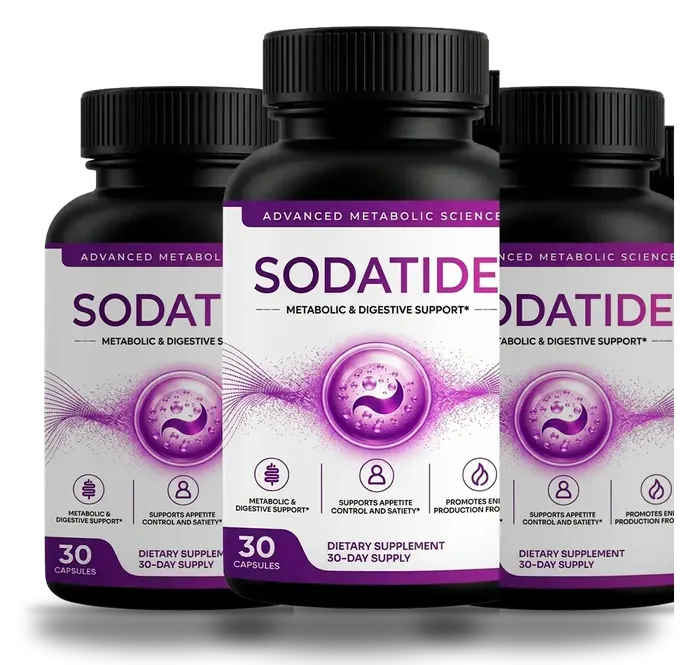
Sodatide lists Akkermansia muciniphila third in its 36 mg probiotic blend, so it weighs at most 12 mg, with no cell count. The main human study was a 2019 pilot with 32 completers taking 10 billion cells a day: the pasteurized form improved insulin sensitivity, weight change was not significant, and the live form changed little (Depommier 2019 Nat Med Akkermansia pilot). The label does not say which form Sodatide uses.
Written by the Sodatide editorial teamUpdated
The basics
What is Akkermansia muciniphila?
Akkermansia muciniphila is a bacterium that lives in the mucus layer lining the gut. Its name means "mucus-loving", because it feeds on that mucus.
Researchers became interested after finding lower levels of it in some people with obesity and type 2 diabetes. That link was seen in observational work, which cannot show cause and effect. Human trials are few.
In Sodatide, Akkermansia is the third and last bacterium in a 36 mg "Probiotic Blend", after Bifidobacterium infantis and Clostridium butyricum. The label names the species, with no strain code, no cell count and no word on whether the cells are live or pasteurized.
| Label name | Akkermansia muciniphila |
|---|---|
| What it is | Akkermansia muciniphila · Gut bacterium |
| Position on the label | 3 of 3 in the blend (labels list blend ingredients from most to least by weight) |
| Amount per serving (1 capsule) | In the 36 mg probiotic blend |
| Amount used in research | 10 billion cells a day (mostly pasteurized) in one 32-person pilot |
| Strength of evidence | Early, one small pilot |
| Why it is used | A mucus-layer gut bacterium studied for insulin sensitivity |
| Main caution | Safety was assessed for the pasteurized form only; the label does not say which form this is. |
Dose check
How much Akkermansia is in a Sodatide capsule?
At most 12 mg by weight. It is listed third of three in a 36 mg blend, and blends list parts from most to least by weight (FDA labeling guide ch. IV). The number of cells is not printed.
| Detail | Sodatide label | 2019 pilot | EFSA 2021 |
|---|---|---|---|
| Form | Not published | Live or pasteurized (two groups) | Pasteurized only |
| Daily amount | At most 12 mg; cells not stated | 10 billion cells | Up to 34 billion cells judged safe |
| Who | Adults, per the label | Adults with overweight or obesity and insulin resistance | Adults; not pregnant or breastfeeding women |
| Length | 30 days per bottle | 3 months | Not applicable |
Without a cell count, the 12 mg cannot be compared to the 10 billion cells in the pilot. Weight on a probiotic label includes dead cells, so milligrams do not tell you live cells (NIH ODS Probiotics (HP)).
At a glance
The Akkermansia pilot study in five numbers
Evidence
What did the 2019 Akkermansia pilot study find?
The pasteurized form improved insulin sensitivity, but body weight did not change significantly. Depommier and colleagues gave 10 billion cells a day, or a dummy pill, to adults with overweight or obesity and insulin resistance for 3 months (Depommier 2019 Nat Med Akkermansia pilot).
| Measure | Change | Statistically significant? |
|---|---|---|
| Insulin sensitivity | Up about 29% | Yes |
| Insulin level in blood | Down about 34% | Yes |
| Total cholesterol | Down about 9% | Yes |
| Body weight | About 2.3 kg lower | No |
| Fat mass | About 1.4 kg lower | No |
| Hip size | About 2.6 cm smaller | No |
The live form did not significantly change most markers. Both forms were well tolerated. The study was small and exploratory, and several authors hold patents or co-founded a company developing Akkermansia (Depommier 2019 Nat Med Akkermansia pilot).
Live or pasteurized
Is pasteurized Akkermansia different from live Akkermansia?
Yes, and in the pilot the pasteurized form did better. Pasteurized means the cells were heated so they no longer grow. The 2019 results that drew attention came mostly from that group (Depommier 2019 Nat Med Akkermansia pilot).
That runs against a common idea that a probiotic must be alive to work. For Akkermansia, the best human data so far point the other way. It is a reason to know which form a product contains.
The label lists "Akkermansia muciniphila" with no form. A brand that sells live cells and one that sells pasteurized cells could print the same line. Ask [email protected] which form is in the capsule.
Survival is a second open question. Akkermansia is often called oxygen-sensitive, yet one lab study found counts stayed high after oxygen exposure and simulated digestion (Machado 2020 Akkermansia oxygen/GI survival). No data exist on how the cells fare in Sodatide's capsule.
Safety
Is Akkermansia safe to take?
The pasteurized form has a European safety opinion; the live form does not. In 2021, EFSA judged pasteurized Akkermansia safe for adults at up to 34 billion cells a day (EFSA 2021 pasteurised Akkermansia).
- The opinion applies only when almost no cells are alive.
- It excludes pregnant and breastfeeding women.
- It says nothing about live Akkermansia.
The pilot reported no safety problems in either group over 3 months (Depommier 2019 Nat Med Akkermansia pilot). As with other probiotics, people who are very ill or immunocompromised should get medical advice first (NIH ODS Probiotics (HP)). More on the whole formula is on the Sodatide side effects page.
What it means
Can the Akkermansia in Sodatide help with weight?
There is no evidence that it can. In the only human pilot we found, weight change did not reach significance even at 10 billion cells a day (Depommier 2019 Nat Med Akkermansia pilot). Sodatide's cell count and form are unknown.
The label's own words are "Metabolic & Digestive Support*", a structure/function statement the FDA has not evaluated. Sodatide is not a weight-loss treatment, and nothing on the label ties a claim to Akkermansia.
The Sodatide Supplement Facts page explains the full blend, and our post on what Akkermansia research shows goes deeper into the studies.
Our view
Is the Akkermansia in Sodatide worth paying for?
It is too early to say for any product, and the label gives too little to judge this one. The science is interesting, small and young.
Pros
- A gut bacterium with real early research
- Pasteurized form has an EFSA safety opinion
- Pilot showed no safety problems
Cons
- Only one small human pilot
- Form, strain and cell count not printed
- At most 12 mg, the smallest of the three bacteria
FAQ
Akkermansia in Sodatide: common questions
How much Akkermansia is in Sodatide?
At most 12 mg by weight. Akkermansia is the third of three bacteria in Sodatide's 36 mg blend, and blends are listed by weight from most to least (FDA labeling guide ch. IV). The label prints no cell count, so it cannot be compared with the 10 billion cells a day used in the pilot study.
Is the Akkermansia in Sodatide live or pasteurized?
The label does not say. That matters, because in the 2019 pilot the pasteurized form improved insulin sensitivity while the live form changed little (Depommier 2019 Nat Med Akkermansia pilot). EFSA's safety opinion also covers only the pasteurized form (EFSA 2021 pasteurised Akkermansia). Ask the brand at [email protected].
Does Akkermansia help you lose weight?
Not according to current evidence. In the 2019 pilot, weight fell about 2.3 kg with pasteurized Akkermansia, but the change was not statistically significant (Depommier 2019 Nat Med Akkermansia pilot). One small study cannot show a weight effect, and Sodatide's dose and form are unknown.
Is Akkermansia safe during pregnancy?
There are no safety data to say it is. EFSA's 2021 opinion on pasteurized Akkermansia excludes pregnant and breastfeeding women (EFSA 2021 pasteurised Akkermansia), and Sodatide's label says pregnant or nursing mothers should consult a physician first.
What did the Akkermansia study in Nature Medicine find?
The 2019 pilot in Nature Medicine found that 10 billion pasteurized cells a day for 3 months improved insulin sensitivity by about 29% and lowered blood insulin, in 32 adults who finished (Depommier 2019 Nat Med Akkermansia pilot). Weight and fat mass changes were not significant.
Can Akkermansia survive in a capsule?
That is debated. Akkermansia is often described as oxygen-sensitive, but one lab study found counts stayed high after oxygen exposure and simulated digestion (Machado 2020 Akkermansia oxygen/GI survival). No survival data exist for Sodatide's capsule, and the label does not say whether the cells are live.
Is Akkermansia a GLP-1 supplement?
No. Akkermansia is a gut bacterium, not a drug. Sodatide contains no drug, is not a GLP-1 medicine and is not an alternative to one (NIDDK prescription obesity medicines). GLP-1 medicines are prescription drugs used under a clinician's care.
Who wrote this
Written and reviewed by
Plain-language pages built from the bottle label, the order page and linked public health sources such as NIH, FDA and CDC.
Last updated . Read our editorial standards and how we check reviews. This website is run by a U.S. retail desk for Sodatide, not by the manufacturer. We are paid a commission when you buy through our order links.
Keep reading
More about Sodatide
Akkermansia research
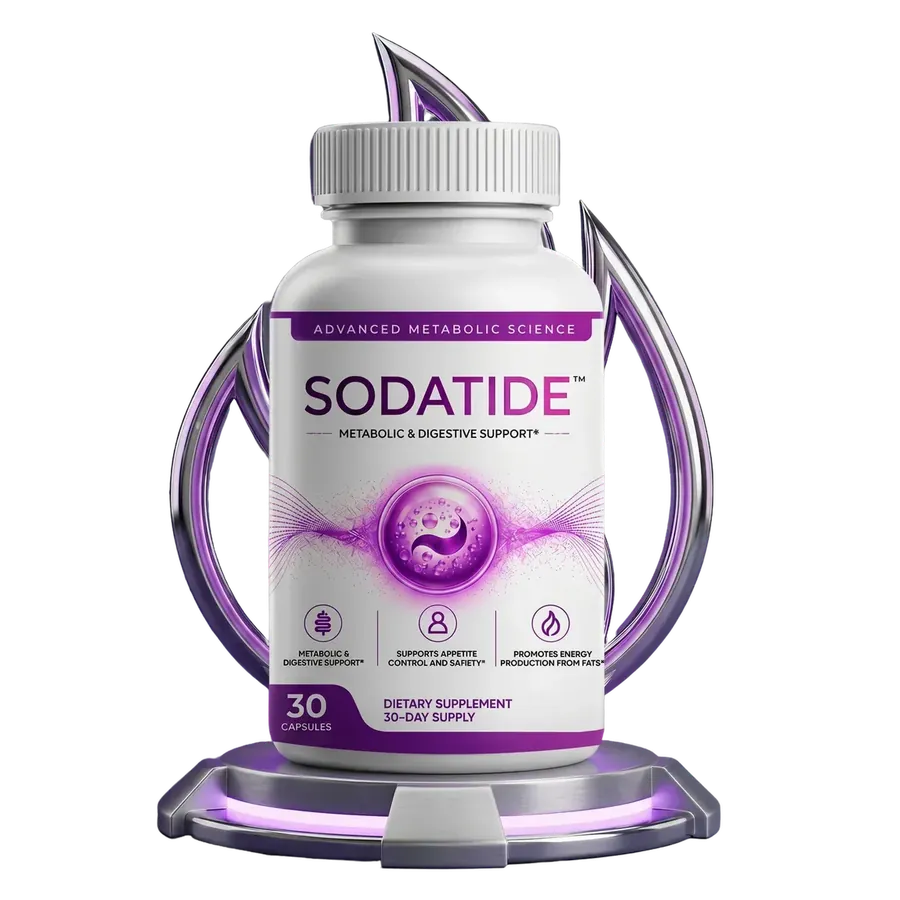
The 2019 Akkermansia pilot in plain numbers, pasteurized vs live, EFSA's view, and what Sodatide's label leaves out.
Read more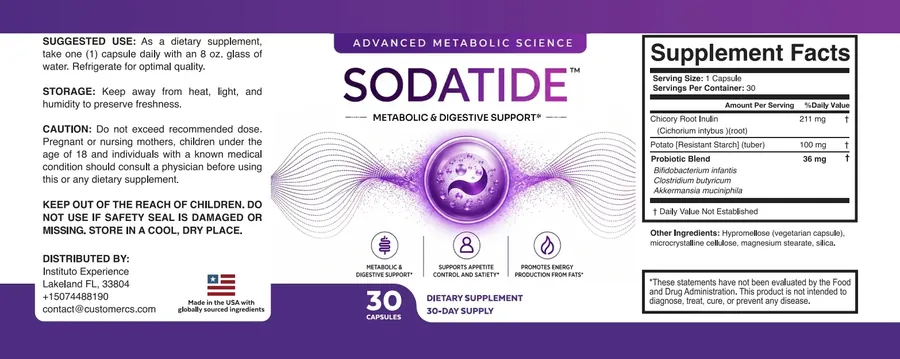
Bifidobacterium infantis
B. infantis helped IBS in one trial, at one strain and one dose. Sodatide names neither.
Read moreSupplement Facts
The Sodatide label read line by line, plus the CFU, strain and Akkermansia details it does not print.
Read moreLicensed U.S. retail desk for Sodatide
Ready to try Sodatide?
Pick a pack. One capsule a day; every pack covers the whole 60-day window.
- Secure checkout
- 60-day money-back window
- Free U.S. shipping on 3+ bottles