Ingredient profile
Clostridium butyricum in Sodatide: A Probiotic Judged Strain by Strain
Sodatide lists Clostridium butyricum second in its 36 mg probiotic blend, so it weighs at most 18 mg. Its safety depends on the strain. One strain, MIYAIRI 588, has been sold in Japan since the 1960s (Miyarisan CBM 588 novel food dossier). EFSA does not presume the species safe, because a minority of strains carry a toxin gene (ACNFP C. butyricum TO-A paper). The label names no strain, so ask the brand which one it uses.
Written by the Sodatide editorial teamUpdated
The basics
What is Clostridium butyricum?
Clostridium butyricum is a rod-shaped bacterium that makes butyrate, a short-chain fatty acid. It also forms tough spores that help it survive heat and drying.
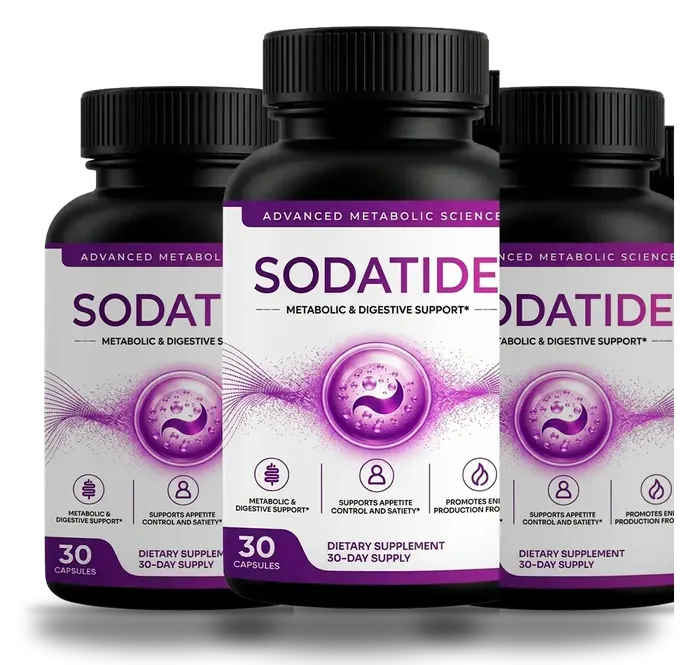
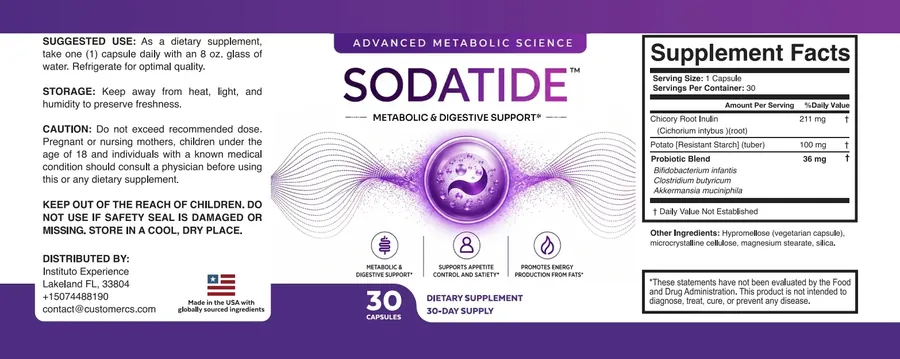
In Sodatide it is the second of three bacteria in a 36 mg "Probiotic Blend". It sits between Bifidobacterium infantis and Akkermansia muciniphila. The label names the species only.
The word "Clostridium" makes some people worry, because a few relatives cause disease. That worry is understandable, and the science answers it with one word: strain. Some C. butyricum strains have a long, clean safety record. A small number do not, and that is why the strain name matters so much here.
| Label name | Clostridium butyricum |
|---|---|
| What it is | Clostridium butyricum · Probiotic bacterium |
| Position on the label | 2 of 3 in the blend (labels list blend ingredients from most to least by weight) |
| Amount per serving (1 capsule) | In the 36 mg probiotic blend |
| Amount used in research | Strain MIYAIRI 588 used in Japan; safety depends on the strain |
| Strength of evidence | Strain-dependent safety |
| Why it is used | A butyrate-making bacterium sold as a probiotic in Asia |
| Main caution | EFSA does not presume this species safe; a minority of strains carry a toxin gene. No strain is named. |
Dose check
How much Clostridium butyricum is in Sodatide?
At most 18 mg, and the live cell count is not printed. Blend parts are listed from most to least by weight (FDA labeling guide ch. IV). C. butyricum is second of three in 36 mg, so it can be no more than half the blend.
| Detail | Sodatide label | MIYAIRI 588 | TO-A |
|---|---|---|---|
| Strain named | Not published | Yes, since 1963 | Yes |
| Daily amount | At most 18 mg by weight | 300,000 to 135 million CFU (adult proposal) | 1 billion CFU (adult proposal) |
| Toxin gene check | Not published | None found, per the applicant | Under assessment |
| EU status | Unknown without a strain | Authorized in 2014 | Discussed by UK advisers in 2023 |
Each studied strain came with its own safety file. A label that gives only the species cannot point to any of them.
At a glance
Clostridium butyricum in five numbers
History
Where has Clostridium butyricum been used as a probiotic?
Mostly in Japan and other parts of Asia. Strain MIYAIRI 588, also called CBM 588, was isolated in Japan in 1963 and has been sold there since the 1960s (Miyarisan CBM 588 novel food dossier).
It has been sold as a drug, a quasi-drug and an over-the-counter probiotic. Its maker proposed adult intakes from 300,000 to 135 million CFU a day in a European application (Miyarisan CBM 588 novel food dossier).
- The maker reports lab tests found no botulinum toxin genes in this strain.
- It also reports no worrying antibiotic resistance against European limits.
- The strain was authorized as a novel food in the EU in 2014 (ACNFP C. butyricum TO-A paper).
The MIYAIRI 588 file was written by the company that sells the strain. It is an applicant's document, not an independent review. Its findings apply to that one strain only.
Safety rules
Why doesn't EFSA presume Clostridium butyricum is safe?
Because a minority of strains carry the gene for botulinum toxin type E. In 2011, EFSA's food safety panel left the species off its presumed-safe list for that reason (ACNFP C. butyricum TO-A paper).
The panel's words were plain: "the safety of Clostridium butyricum is a strain-related property." So in Europe, every new strain needs its own full safety assessment before it can be sold as food (ACNFP C. butyricum TO-A paper).
It does not mean Sodatide contains a harmful strain. We have no evidence of that. It means the species name alone cannot show which kind it is. A strain code plus a toxin-gene test would answer the question.
In the U.S., the FDA does not review supplements for safety before they are sold. The company is responsible for what goes in the bottle (FDA 101 Dietary Supplements).
How it is meant to work
What is butyrate, and does 18 mg of C. butyricum make a difference?
Butyrate is a fatty acid that bacteria make when they ferment fiber in the colon. It is the main fuel for the cells lining the gut. That link is why the species is sold as a probiotic.
Whether 18 mg or less of an unnamed strain changes butyrate levels is unknown. No study we found tested that amount. Live bacteria are counted in CFU, and the label prints none (NIH ODS Probiotics (HP)).
Sodatide also carries two fibers that gut bacteria ferment: chicory root inulin at 211 mg and potato resistant starch at 100 mg. Studies of both fibers used grams a day, not milligrams.

Safety
Who should check with a doctor before taking a product with C. butyricum?
Anyone who is seriously ill or has a weakened immune system should ask first. That advice covers all probiotics, because rare bloodstream infections have occurred mainly in these groups (NIH ODS Probiotics (HP)).
The label adds its own caution: pregnant or nursing mothers, people under 18 and anyone with a known medical condition should consult a physician first. If you have had a serious bowel illness or recent gut surgery, raise this ingredient by name with your doctor.
Mild gas in the first days is the most likely effect from the formula as a whole. The Sodatide side effects guide covers the rest.
Before you buy
What should you ask the brand about its Clostridium butyricum?
Ask three short questions by email to [email protected], the address printed on the label. A clear reply is a good sign; a vague one tells you something too.
Which strain is it?
Ask for the strain code, such as MIYAIRI 588. That links the ingredient to a safety file.
Was it tested for toxin genes?
Ask whether the supplier checked the strain for botulinum toxin genes, as EFSA expects in Europe.
How many live cells?
Ask for CFU per capsule at the end of shelf life. Weight alone includes dead cells (NIH ODS Probiotics (HP)).
Our view
Should the Clostridium butyricum in Sodatide worry you?
It should make you ask, not panic. One strain of this species has decades of use behind it. The label simply does not say whether that is the strain inside.
Pros
- One strain has a long record in Japan
- Spore-formers tend to cope well with storage
- Small amount: 18 mg at most
Cons
- No strain named, so safety cannot be matched
- No CFU count printed
- No human trial of Sodatide itself
FAQ
Clostridium butyricum in Sodatide: common questions
Is Clostridium butyricum safe in supplements?
It depends on the strain. Strain MIYAIRI 588 has been sold in Japan since the 1960s (Miyarisan CBM 588 novel food dossier). EFSA does not presume the whole species safe, because a minority of strains carry a botulinum toxin type E gene (ACNFP C. butyricum TO-A paper). Sodatide names no strain, so ask the brand.
Is Clostridium butyricum the same as C. difficile or botulism bacteria?
No. Clostridium butyricum is a separate species from C. difficile and from Clostridium botulinum. The concern is narrower: a minority of C. butyricum strains carry a gene for botulinum toxin type E, so each strain needs its own check (ACNFP C. butyricum TO-A paper).
How much Clostridium butyricum is in Sodatide?
At most 18 mg. It is listed second of three bacteria in a 36 mg blend, and blends are listed by weight from most to least (FDA labeling guide ch. IV). The label prints no CFU count, so the number of live cells is unknown.
Which Clostridium butyricum strain does Sodatide use?
The label does not name one. It lists only the species. Email the distributor at [email protected] and ask for the strain code and whether it was tested for toxin genes.
What does Clostridium butyricum do in the gut?
It ferments carbohydrates and makes butyrate, a fatty acid that fuels the cells lining the colon. Whether the small, unstated amount in Sodatide changes butyrate levels has not been studied.
What is MIYAIRI 588?
MIYAIRI 588, or CBM 588, is a Clostridium butyricum strain isolated in Japan in 1963. It has been sold in Asia as a drug and probiotic since the 1960s and was authorized in the EU in 2014 (Miyarisan CBM 588 novel food dossier) (ACNFP C. butyricum TO-A paper). Sodatide does not say it uses this strain.
Who wrote this
Written and reviewed by
Plain-language pages built from the bottle label, the order page and linked public health sources such as NIH, FDA and CDC.
Last updated . Read our editorial standards and how we check reviews. This website is run by a U.S. retail desk for Sodatide, not by the manufacturer. We are paid a commission when you buy through our order links.
Keep reading
More about Sodatide
Akkermansia muciniphila
One 32-person pilot, a pasteurized form, and an EFSA safety opinion. What it means for Sodatide's unstated Akkermansia.
Read moreBifidobacterium infantis
B. infantis helped IBS in one trial, at one strain and one dose. Sodatide names neither.
Read more
Side effects
Mild gas is the likely effect. Weak immunity, pregnancy and medical conditions are the real reasons to ask first.
Read moreLicensed U.S. retail desk for Sodatide
Ready to try Sodatide?
Pick a pack. One capsule a day; every pack covers the whole 60-day window.
- Secure checkout
- 60-day money-back window
- Free U.S. shipping on 3+ bottles